


Is It Worth Investing in Urban Transformation Areas in Istanbul?
Introduction
Istanbul is one of the world’s most dynamic real estate markets. As Turkey’s largest city and economic powerhouse, it continues to attract local and international investors looking for long-term growth opportunities. While luxury developments, waterfront residences, and commercial projects often dominate headlines, one of the most important drivers of real estate investment in recent years has been urban transformation.
Known in Turkey as “Kentsel Dönüşüm,” urban transformation projects aim to replace aging and earthquake-vulnerable buildings with modern, safer, and more sustainable developments. These projects are reshaping entire neighborhoods across Istanbul, creating significant opportunities for property investors, homeowners, and developers.
With thousands of buildings scheduled for redevelopment and government-supported transformation programs continuing to expand, many investors are asking a critical question: Is it worth investing in urban transformation areas in Istanbul?
The answer depends on several factors, including location, project quality, market demand, and long-term investment strategy. However, for investors who understand the dynamics of urban renewal, transformation zones can offer some of the most attractive opportunities in Istanbul’s property market.
For investors seeking expert guidance and access to investment opportunities across Istanbul, annaturkey.com.tr provides professional support and market insights tailored to local and international buyers.
Understanding Urban Transformation in Istanbul
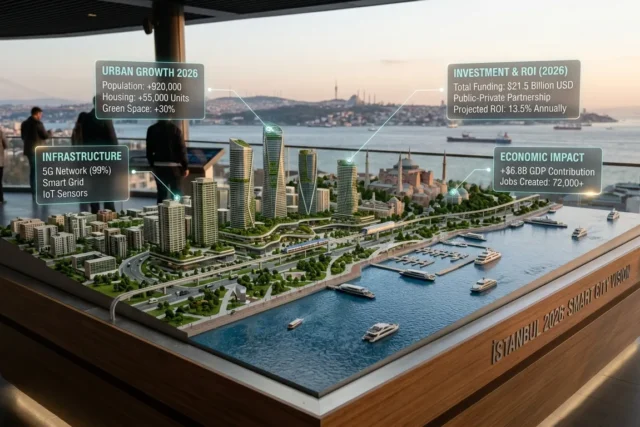
Urban transformation is not simply a construction initiative. It is a comprehensive redevelopment strategy designed to modernize the city’s building stock, improve safety standards, enhance infrastructure, and create more livable urban environments.
The importance of urban transformation became even more evident after major earthquakes highlighted the vulnerability of older buildings throughout Turkey. Many residential structures built decades ago no longer meet modern seismic standards and require redevelopment.
As a result, government agencies, municipalities, developers, and property owners have collaborated to accelerate transformation projects across numerous districts of Istanbul.
The process generally involves:
- Demolition of old buildings
- Construction of earthquake-resistant structures
- Infrastructure upgrades
- Improved transportation access
- Creation of green spaces
- Modern urban planning
For investors, this process often creates opportunities to enter neighborhoods before significant value appreciation occurs.
Why Investors Are Paying Attention to Transformation Zones
Real estate investment is often driven by future potential rather than current conditions.
Urban transformation areas frequently offer:
- Lower entry prices
- Significant capital appreciation potential
- New housing supply
- Increased rental demand
- Infrastructure improvements
- Better quality of life
When an entire neighborhood undergoes modernization, property values tend to increase over time as demand grows and the area’s image improves.
Many investors prefer transformation zones because they can acquire assets before prices fully reflect future improvements.
The Impact of Earthquake Awareness on Property Values
One of the strongest drivers behind urban transformation investments is growing public awareness of earthquake safety.
Buyers today are significantly more selective than they were twenty years ago.
Modern property purchasers often prioritize:
- Seismic resistance
- Building quality
- Construction standards
- Safety certifications
- Modern engineering systems
As older buildings become less attractive, demand shifts toward newly developed projects within transformation areas.
This demand contributes to both sales price growth and rental market strength.
Properties built according to current regulations often command premium prices compared to neighboring older buildings.
Key Districts Benefiting from Urban Transformation
Urban transformation projects are active across many parts of Istanbul. However, certain districts stand out due to their scale, strategic location, and investment potential.
Kadıköy
Kadıköy has become one of the most prominent transformation zones on Istanbul’s Asian side.
The district combines:
- Strong transportation networks
- Coastal access
- Established social infrastructure
- High residential demand
- Strong rental market
Many older apartment buildings are being replaced with modern residential projects, creating opportunities for investors seeking long-term appreciation.
Because Kadıköy already enjoys strong demand, transformed properties often achieve premium pricing.
Fikirtepe
Fikirtepe represents one of Turkey’s most ambitious urban transformation initiatives.
Once characterized by aging housing stock, the area has undergone large-scale redevelopment involving high-rise residential towers, mixed-use projects, and modern commercial facilities.
Advantages include:
- Central location
- Metro accessibility
- Modern housing inventory
- Strong developer interest
Although the transformation process has experienced challenges over the years, completed projects continue to attract buyers and tenants seeking modern urban living.
Gaziosmanpaşa
Gaziosmanpaşa has emerged as an increasingly important transformation district on Istanbul’s European side.
Key factors supporting growth include:
- Large-scale redevelopment projects
- Infrastructure investments
- Improved transportation
- Growing residential demand
Investors often view Gaziosmanpaşa as a district with substantial upside potential due to relatively affordable entry prices compared to more established central areas.
Zeytinburnu
Zeytinburnu combines a strategic location with ongoing redevelopment activity.
The district benefits from:
- Proximity to central Istanbul
- Coastal access
- Transportation connectivity
- Commercial activity
Urban transformation projects continue to enhance the area’s attractiveness among both investors and end users.
Küçükçekmece
Küçükçekmece has received increasing attention due to transportation investments, regeneration projects, and its proximity to major development corridors.
Investors often target:
- New residential projects
- Mixed-use developments
- Redevelopment opportunities
The district’s transformation is expected to continue for many years, providing long-term investment potential.
Capital Appreciation Potential
One of the main reasons investors target transformation areas is the possibility of significant capital gains.
Property values often increase due to:
- Improved infrastructure
- Enhanced neighborhood image
- New housing supply
- Increased investor interest
- Better transportation access
When a neighborhood evolves from aging, low-density housing into a modern residential district, demand frequently rises faster than supply.
Investors who enter early may benefit from substantial appreciation as projects progress.
Rental Income Opportunities
Urban transformation investments are not only about future resale value.
Many investors focus on rental income generated by modern properties.
Tenants increasingly prefer:
- Earthquake-resistant buildings
- Modern amenities
- Parking facilities
- Energy efficiency
- Security systems
As a result, newly transformed properties often achieve higher rental rates than older buildings nearby.
This can create strong cash-flow opportunities, particularly in districts with large working populations and transportation access.
Infrastructure Improvements and Their Effect on Value
Transformation projects are often accompanied by broader infrastructure investments.
These improvements may include:
- Road upgrades
- Metro expansions
- Parks and green spaces
- Public facilities
- Educational institutions
- Healthcare services
Infrastructure development generally contributes to higher property values because it improves daily life and attracts additional residents.
Investors should pay close attention to transportation projects because accessibility remains one of the strongest drivers of real estate demand.
Advantages for Foreign Investors
Urban transformation projects have become increasingly attractive to international buyers.
Benefits include:
- Access to modern housing stock
- Strong long-term growth potential
- Professional property management options
- Diverse neighborhood choices
- Potential rental income
Many foreign investors view transformation areas as an opportunity to purchase relatively new properties at prices that remain competitive compared to other major global cities.
For international buyers seeking guidance on Istanbul’s evolving real estate market, annaturkey.com.tr offers valuable assistance throughout the investment process.
Risks Investors Should Consider
Like any investment strategy, urban transformation carries risks.
Construction Delays
Large-scale projects can experience delays due to regulatory, financial, or operational challenges.
Investors should evaluate developer track records carefully.
Market Volatility
Real estate markets can fluctuate due to economic conditions, financing costs, and broader market sentiment.
Long-term investment horizons generally help reduce short-term volatility risks.
Project Quality Differences
Not all transformation projects offer the same standards.
Investors should assess:
- Developer reputation
- Construction quality
- Architectural design
- Amenities
- Property management plans
Selecting the right project is often more important than selecting the right district.
Legal Due Diligence
Every investment requires proper legal review.
Buyers should verify:
- Title deeds
- Construction permits
- Project approvals
- Ownership records
Professional legal and real estate advice can help reduce potential risks.
Long-Term Outlook for Urban Transformation
The long-term outlook for Istanbul’s urban transformation market remains highly positive.
Several factors support continued growth:
Population Growth
Istanbul continues to attract residents from across Turkey and abroad.
Growing population levels sustain housing demand.
Building Renewal Needs
A substantial portion of Istanbul’s housing stock still requires modernization.
This ensures that transformation activity will likely continue for many years.
Government Support
Urban transformation remains a strategic priority, supporting continued redevelopment efforts.
Infrastructure Expansion
Ongoing transportation and infrastructure projects enhance accessibility and investment appeal across multiple districts.
Comparing Transformation Areas to Traditional Investments
Many investors compare transformation zones with established prime districts.
Traditional Prime Areas:
- Higher entry prices
- Lower growth potential
- Greater market stability
- Strong existing demand
Urban Transformation Areas:
- Lower acquisition costs
- Higher appreciation potential
- Greater redevelopment activity
- More upside opportunities
The best choice depends on the investor’s objectives, risk tolerance, and investment horizon.
Investors seeking aggressive growth often favor transformation districts, while conservative investors may prefer mature neighborhoods.
Who Should Invest in Urban Transformation Areas?
Urban transformation investments may be suitable for:
- Long-term investors
- Foreign buyers
- Rental property investors
- Portfolio diversifiers
- Capital appreciation seekers
Investors willing to hold properties through redevelopment cycles often achieve the greatest benefits.
Patience is frequently rewarded as neighborhoods mature and transformation projects reach completion.
Future Trends to Watch
Several trends are expected to influence transformation investments in the coming years:
- Smart building technologies
- Sustainable construction practices
- Green certifications
- Mixed-use developments
- Transit-oriented communities
- Increased international investment
These trends may further enhance the attractiveness of newly transformed neighborhoods.
Conclusion
Urban transformation is fundamentally reshaping Istanbul’s real estate landscape. By replacing aging structures with modern, earthquake-resistant developments, the city is creating safer communities while generating substantial investment opportunities.
Districts such as Kadıköy, Fikirtepe, Gaziosmanpaşa, Zeytinburnu, and Küçükçekmece continue to attract attention from both domestic and international investors. Infrastructure improvements, growing demand for modern housing, and ongoing redevelopment efforts support a positive long-term outlook.
While investors should carefully evaluate project quality, legal considerations, and market conditions, transformation areas can offer compelling opportunities for capital appreciation and rental income growth.
For investors looking to identify promising projects and navigate Istanbul’s evolving property market with confidence, annaturkey.com.tr provides professional guidance and access to carefully selected real estate opportunities throughout Turkey.

Bir yanıt yazın